Rebuilding the Ropes: How African Boxing Infrastructure Needs to Evolve in 2025–26
An in-depth analysis of the challenges and opportunities facing African boxing, and what must be rebuilt for the sport to thrive in 2025–26.
Jibril Aminu - the African Fighters
11/29/20254 min read
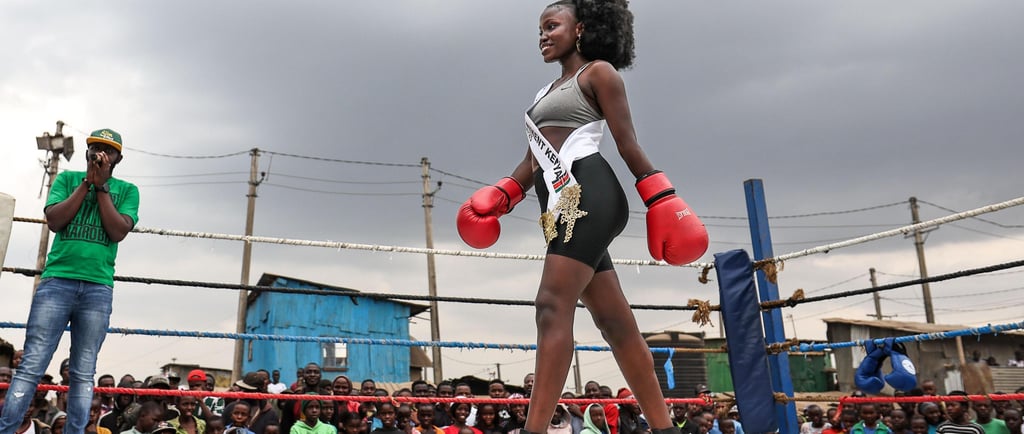
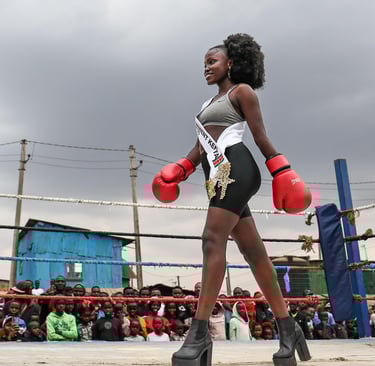
African boxing is experiencing a long-overdue resurgence. From the sold-out fight nights in Lagos, to regional showcases in Johannesburg, to global attention from broadcasters like DAZN, the continent is stepping back into the global combat sports spotlight. But while the talent is undeniable and the enthusiasm is growing, the infrastructure behind African boxing still lags decades behind its potential.
If the sport is to truly thrive in 2025–26, Africa must rebuild its boxing ecosystem from the ground up — not just with events, but with systems, governance, pathways, and investment that can sustain growth for the next generation of fighters.
This editorial explores the key areas where African boxing must evolve to reach global parity.
1. Talent Development: From Raw Potential to Structured Pathways
Africa has produced world-class fighters — from past greats to modern stars — but the continent still lacks a consistent, organized pipeline to nurture talent from childhood to championship level.
Key missing elements include:
National training centres in major cities
Certified coaching development programs
Amateur leagues with regular competition
International-standard gyms with modern equipment
Without structured development, African fighters often rely on improvisation, sporadic sparring, and limited foundational training. In 2025 and 2026, federations and promoters need to prioritize talent development as a long-term investment, not an afterthought.
Legendary South African promoter Rodney Berman recently captured the optimism many feel, noting that he “predicted a new golden age of boxing in South Africa.” That optimism must be matched with the infrastructure required to support it.
2. Governance & Regulatory Oversight
Africa’s boxing governance bodies — from national commissions to regional councils — vary widely in quality. Some are active and structured, others lack transparency, modernization, or authority.
The continent needs:
Clear medical standards
Unified rulebooks
Referee and judge certification programs
Anti-doping compliance
Athlete safety protocols
Sanctioning practices aligned with global norms
Rebuilding trust in governance will encourage more international promoters, broadcasters, and investors to work in Africa — unlocking further growth.
This aligns with what Nigerian promoter Dr. Ezekiel Adamu has been advocating. After navigating controversies around licensing and regulation, he emphasized that building boxing in Africa “requires proper systems, safety, and credibility,” pointing out that the environment must be professional if Africa truly wants to compete globally.
3. Event Production & Broadcast Quality
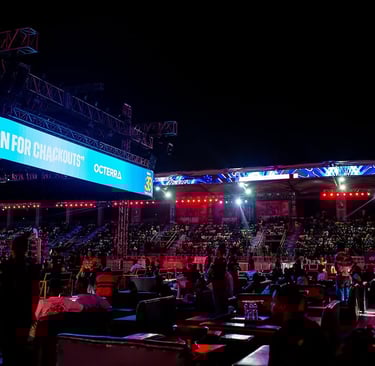
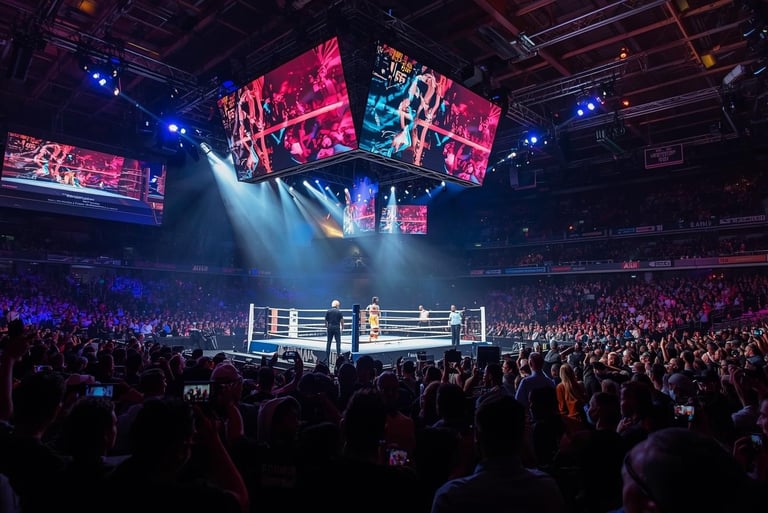
The rise of premium African shows like Chaos in the Ring has proven that the continent can deliver world-class production. But this level needs to become the standard, not the exception.
For boxing to thrive, events across Africa must improve in:
Lighting, cameras, and sound quality
Ring construction and safety
Digital content and social storytelling
Fight-week activities and press events
Ticketing systems and fan experience
High-quality production is not simply entertainment — it is a commercial necessity. It attracts sponsors, broadcasters, and fighters who otherwise migrate overseas.
As Dr. Ezekiel Adamu said while comparing African fight nights to Western markets: “When we do boxing in Africa, it’s a vibe; it’s a party — it's a boxing party — so we want to have our own identity.” High-quality production is what transforms that identity into a global product.
4. Athlete Welfare & Financial Structure
Many African fighters still struggle with:
Low purses
Inconsistent fight schedules
Lack of insurance
No long-term housing or nutrition support
To rebuild the ropes, Africa needs:
Minimum purse guarantees
Contract protections
Medical coverage
Sponsorship pathways
Career and media training
Retirement planning
A boxer cannot perform at an elite level if everything around them is unstable. Welfare must move from “optional” to “mandatory.”
5. Media, Storytelling & Digital Footprint
One of the biggest gaps in African boxing is the lack of consistent digital storytelling, compared to major markets like the U.S. or U.K. Platforms such as The African Fighters are beginning to fill that void, but the ecosystem needs:
Documentary-style storytelling
Consistent interviews and press coverage
Highlight reels and backstage content
Fighter branding and media training
Local boxing podcasts & YouTube channels
Independent journalists covering events weekly
In modern combat sports, media is the engine that fuels hype, sponsorships, and fan connection. Without it, even great fighters remain invisible.
6. Partnerships, Investors & Cross-Industry Collaboration
To evolve, African boxing must bring together promoters, governments, private investors, broadcasters, entertainment companies, and global partners.
Collaborations with music, tourism, hospitality, and technology can transform events into week-long destinations — creating jobs, growing fan culture, and attracting international eyes.
Dr. Ezekiel Adamu described this African fusion perfectly when he said: “Nigeria is the home of heavyweights… I know they say Queensbury is the home of heavyweights, but really, Nigeria is the true home.” Boxing in Africa is cultural, emotional, and deeply rooted — and that cultural identity is a massive commercial opportunity if properly harnessed.
7. Building a Continental Boxing Identity
Africa must create its own fight culture — not merely imitate Las Vegas, London, or Riyadh. Our strengths include:
Rich storytelling
Passionate youth population
Strong athletic base
National and cultural pride
A fusion of Afrobeats, fashion, and tradition
African boxing should look, feel, and sound African — not imported. As Dr. Adamu emphasized, “When we do boxing in Africa, it's a party. We want our own identity.” That identity is what will separate African boxing from every other region.
Conclusion: The Opportunity of a Lifetime
2025–26 could be a turning point for African boxing. With the rise of new promoters, premium events, global broadcasting interest, and a generation of young fighters hungry to prove themselves, the opportunities are unprecedented.
But raw talent and passion are not enough.
To compete globally, Africa must rebuild the ropes with structure, investment, creativity, governance, and long-term vision.
Done right, the continent won’t just host big fights — it will produce champions, attract global attention, and become a new powerhouse in the world of combat sports.
And this time, the rest of the world will be watching.